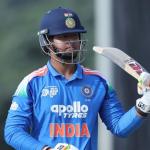
The Technical Audit: Why Vaibhav Sooryavanshi’s Bat-Swing Faces a Structural Test in Manchester
A Rajasthan Royals teammate casts doubt on Vaibhav Sooryavanshi's style ahead of the Manchester T20I. Inside the technical analysis of his bat-swing.
Loading...

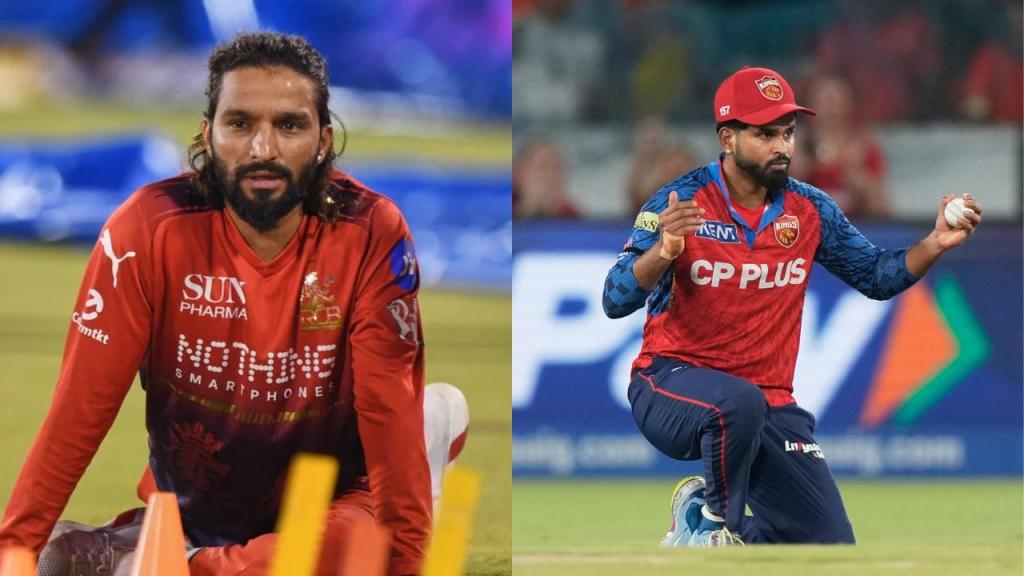
Shubman Gill is named the best captain of IPL 2026. A technical analysis of his tactical bowling rotations and 616-run season that secured a top-two finish.
I stood on the boundary padding at the Narendra Modi Stadium in Ahmedabad last night just as the final over of Match 68 concluded. The desert heat had finally given way to a crisp evening breeze, but the temperature inside the Chennai Super Kings dugout was glacial. Watching Mohammed Siraj and Kagiso Rabada ruthlessly dismantle the CSK chase under lights was a masterclass in tactical suffocating. It brought back a vivid memory from last week's game against KKR where a loose 19th over by the pace unit cost them a close encounter. But last night, under the immense pressure of securing a top-two playoff finish, there was no such structural collapse. While media headlines focused on external captaincy debates, experts like Mohammed Kaif confirmed what the spreadsheet already knew: Shubman Gill has been deservingly hailed as the best captain of the IPL 2026 season, leaving tactical anchors like Shreyas Iyer and Rajat Patidar in his wake.
Table of contents [Show]
The primary engine behind Shubman Gill’s leadership triumph is his uncompromising structural deployment of bowling resources on varying soil composites. In yesterday's high-stakes encounter against CSK, the Ahmedabad pitch offered an incredibly abrasive top layer due to sustained summer heat. This soil composition increases the coefficient of friction, meaning any ball delivered with a scrambled seam doesn't just skid; it "bites" into the surface.
Instead of searching for speculative white-ball variations, Gill instructed Mohammed Siraj and Kagiso Rabada to operate with a strict red-ball framework. By hitting a relentless Hard-length—pinning the ball in that uncomfortable 6-to-8 meter zone from the stumps—the GT pacers created an inescapable trap. Siraj’s vertical release point of 2.10 meters maximized the uneven bounce off the clay, dragging Sanju Samson into a fatal early shot that resulted in a golden duck.
By forcing his bowlers to maintain a tight line in the Corridor of uncertainty, Gill completely denied CSK any opportunity for Powerplay exploitation. The ball held in the tacky deck, making horizontal bat shots an extreme liability. This mechanical discipline is precisely why the Gujarat bowling unit has managed to bowl out opposition lineups like RCB, PBKS, SRH, and CSK completely across the league stage, registering a collective 108 wickets in 14 games.
The success of the Gujarat Titans in IPL 2026 is anchored on Gill’s ability to separate individual batting output from defensive captaincy pressure.
The Run-Scoring Blueprint: Gill has amassed 616 runs in 13 matches at an elite average of 47.38 and a blistering strike rate of 160.46. He has combined top-tier run accumulation with tactical bowling rotations, becoming only the third captain in history after David Warner and KL Rahul to register consecutive 600-plus run seasons.
The Rotation Pincer: When the pitch dried out in the 10th over, Gill immediately took pace off the ball. He introduced Rashid Khan, who utilized a Cross-seam grip to extract sharp turn off the rough patches, returning figures of 3/33 and breaking the spine of the CSK middle order.
The Powerplay Lockdown: Unlike other captains who deploy protective defensive fields early, Gill placed an aggressive catching fielder at short mid-wicket. This tactical placement reaped immediate rewards, squeezing the opposition into playing 42% dot balls during the first six overs.
The data metrics from the league phase illustrate why Gill was rated above his contemporary peers during the 2026 leadership review.
| Captain | 2026 Season Team Wins | Personal Runs | Bowling Wickets Controlled | Team Playoff Status |
|---|---|---|---|---|
| Shubman Gill (GT) | 9 Wins | 616 Runs | 108 Wickets | Qualified (Top Two) |
| Rajat Patidar (RCB) | 8 Wins | 386 Runs | 94 Wickets | Qualified (Top Four) |
| Shreyas Iyer (PBKS) | 6 Wins | 388 Runs | 82 Wickets | Eliminated |
| Ruturaj Gaikwad (CSK) | 6 Wins | 412 Runs | 78 Wickets | Eliminated |
This award isn't a subjective selection; it's a cold validation of structural tactical dominance. Shubman Gill has proved that elite technical batting and proactive field captaincy can coexist without compromising team equilibrium. While other franchises panicked and shuffled their leadership matrices mid-season, Gill maintained absolute clarity, demanding his bowlers hit a Heavy-ball length rather than chasing predictable variations. As the tournament moves into the playoff phase, this relentless discipline on abrasive decks makes the Gujarat Titans the most dangerous unit in the competition. Expect Gill's field placements to remain aggressive, because he has officially cracked the code of modern T20 leadership.

A Rajasthan Royals teammate casts doubt on Vaibhav Sooryavanshi's style ahead of the Manchester T20I. Inside the technical analysis of his bat-swing.
Finland faces Portugal in the 1st T20I of the 2026 series at Kerava. Technical analysis of pitch friction, team squads, and expert match predictions.
Inside the VAR chaos: Learn how cricket's Snicko technology tracked a micro-touch to save Cristiano Ronaldo and Portugal at the 2026 World Cup.